
Lack of sleep in childhood affects cognitive development and the health of children
A research team led by Dr. Amanda Sierra, Ikerbasque Research Professor at ACHUCARRO, has developed new open-access, educational, and outreach material on sleep, chronotypes, and screen use in childhood and adolescence, available free of charge.
ACHUCARRO advances with these scientific outreach materials within the framework of its collaboration with the UNICEF Basque Country Committee on areas of common interest and the protection of children's rights.
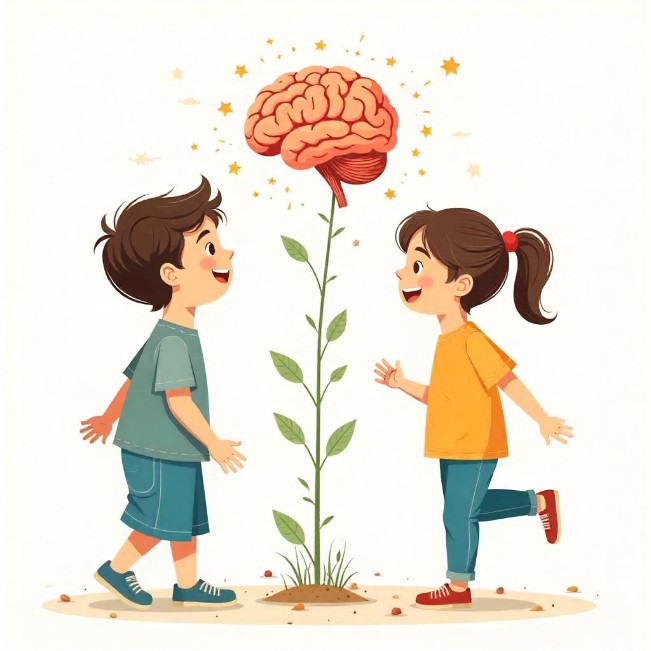
The new outreach material on sleep, chronotypes, and screen use in childhood and adolescence, developed by ACHUCARRO, examines how sleep habits influence lifestyle, cognitive abilities, and the health of children and adolescents.
Lack of sleep during childhood has a domino effect on the development of obesity, academic performance, and behavioral problems. These findings highlight the importance of school schedules, which are often incompatible with healthy sleep habits during stages of growth. Furthermore, the material emphasizes the importance of limiting screen time during these stages to avoid disrupting schoolchildren’s sleep patterns.
This is highlighted in the new thematic report, based on updated scientific evidence, created by ACHUCARRO through its open-access scientific outreach channel dedicated to Brain Health in Childhood. This initiative is part of a broader collaboration program with the UNICEF Basque Country Committee to promote the right to health for children and adolescents.
“Respecting sleep time means protecting mental health, strengthening emotional resilience, and fostering an environment where every child can reach their full potential. The right to rest is a fundamental right to ensure child well-being, as it contributes to concentration, emotional regulation, the prevention of mental health issues, and the building of more positive relationships” explained Joseba Madariaga, President of the UNICEF Basque Country Committee.
The report titled “Sleep, Chronotypes, and Screen Use in Childhood and Adolescence” explains the importance of healthy sleep for children’s cognitive development and how it is altered by screen use or school schedules.
“The scientific evidence regarding the detrimental effects of sleep deprivation during childhood and adolescence is exceptionally solid, and it should open a debate on adapting school schedules to support mental health”, emphasized Ikerbasque Research Professor Dr. Amanda Sierra, who coordinates this report.
The materials were developed by a diverse group of researchers at ACHUCARRO, with the collaboration of Dr. Denise Ferrarini, and PhD researchers Xabier Cuesta and María Andrés. The material is available online in both Spanish and Basque.
The objective of this research team and outreach channel is to promote healthy, evidence-based child development, with a specific focus on the role of the brain as an integrator of environmental stimuli (such as nutrition or sleep), a storehouse for memory and learning, and a key driver of our mental health.
To this end, ACHUCARRO produces specific, open-access thematic content based on updated scientific evidence, tailored for parents, educators, and healthcare professionals.
The first thematic report published in this outreach channel, Brain Health in Childhood, focused on “Obesity in Pregnancy and Childhood”, examining the impact of early childhood nutrition on the onset of obesity and its long-term detrimental effects.
Collaboration between UNICEF Basque Country Committee and ACHUCARRO
The UNICEF Basque Country Committee and the Achucarro Basque Center for Neuroscience signed a collaboration agreement in 2025. Through this agreement, both entities demonstrate their commitment to conducting joint research and publications to generate relevant knowledge and scientific outcomes. This joint work aims to advance all rights of children and adolescents set forth in the Convention on the Rights of the Child, making them a universal social reality, permanent ethical principles, and international standards of conduct.
The thematic material “Sleep, chronotypes and screens in children and adolescents” is available here:
- ES: https://www.achucarro.org/es/cerebros-e-infancias-saludables/cerebros-saludables-para-infancias-saludables-sueno-cronotipos-y-pantallas-en-ninos-y-adolescentes/
- EUS: https://www.achucarro.org/eu/burmuina-eta-haurtzaro-osasungarriak/achucarro-unicef-loa-kronotipoak-eta-pantailak-haur-eta-nerabeentzat/